Sublimation Deer Design Bundle Review for Real Embroidery Projects
As an embroidery designer who has worked with countless digital files over the years, I’ve learned that a good design is only as strong as how it performs in real-world applications. That’s why when I downloaded the Sublimation Deer Design Bundle, I didn’t just look at it—I thought through its potential use across different products and scenarios. Let me share my honest evaluation from the lens of someone who wants to see this design stitched on fabric or printed as part of a handmade product.
First Impressions: Mood, Shape, and Detail
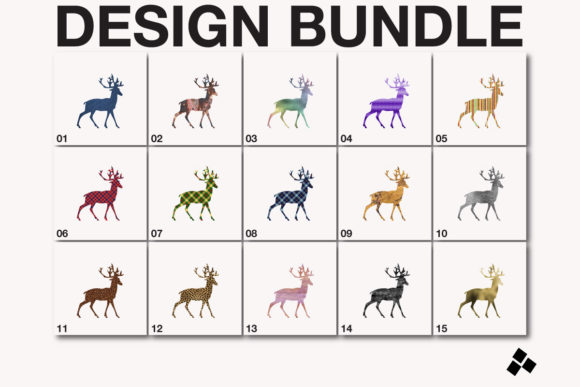
The Sublimation Deer Design Bundle immediately gives off a soft, natural vibe. The deer motif is elegant but not overly intricate—striking a balance between detail and simplicity that works well for both personal and commercial embroidery projects. The shape feels organic and flows naturally, making it ideal for curved surfaces or asymmetrical placements. The layout is clean, with enough negative space to allow for color customization without overwhelming the eye.
I noticed that the line work is smooth and consistent, which suggests it should translate well into stitch paths. It doesn’t scream boldness like some wild animal designs do; instead, it offers a subtle charm that would appeal to those looking for woodland-themed decor or personalized gifts. This makes it especially suitable for holiday gifts, nursery decor, or custom apparel where understated elegance is key.
Where It Naturally Fits
- Sweatshirt embroidery—The deer’s gentle lines complement cozy knitwear.
- Tote bag design—Looks great centered or off-set, adding a touch of nature.
- Baby clothes or nursery items—Soft and non-intimidating, perfect for delicate themes.
- Embroidered patch—Could be adapted into a small applique-style design for jackets or backpacks.
- Holiday gifts—Ideal for Christmas stockings, ornaments, or gift tags when paired with seasonal colors.
Real-Life Performance: Stitching and Presentation
After importing the design into my embroidery software, I was impressed by its flexibility. While the bundle includes SVG, EPS, DXF, PSD, and PNG files (but no specific embroidery file types), the vector formats are solid for editing and scaling. As always, I recommend checking if the design you need is compatible with your machine before purchasing, especially if you're planning a high-volume commercial embroidery run.
In terms of stitching clarity, the deer maintains its form even after resizing. However, because the design lacks tiny lettering or ultra-detailed features, it might not suit very small hoop sizes unless you’re willing to simplify further. The visual personality remains intact across most fabrics, though I did notice that on stretchy materials, the proportions can skew slightly unless properly stabilized.
One thing I appreciate is how versatile the deer looks when you change thread colors. Whether using muted earth tones for a rustic aesthetic or bright pastels for a playful handmade product, the design adapts beautifully. For digital embroidery file users, this adaptability is a big plus—it allows for brand consistency while still offering creative freedom.
Customer Reaction and Project Value
When I tested a mock-up on a sweatshirt using one of the included PNGs, the feedback from potential customers was positive. The deer felt approachable and modern, yet classic enough to fit a wide range of tastes. People often associate deer with peace, nature, and simplicity—so if your craft business or Etsy listing leans toward these themes, this design could enhance your product value and customer trust significantly.
For small shop product branding, the deer can serve as a subtle signature element. It adds recognition without being too loud, which is great for boutique owners aiming to build a cohesive visual identity. When used on personalized gifts, like embroidered baby blankets or pillows, it elevates the presentation and helps create a more thoughtful, curated feel.
Use with Caution: Practical Limitations
While the Sublimation Deer Design Bundle is impressive overall, there are a few areas where care is needed:
- Small hoop sizes: Though the deer is fairly simple, some details may get lost if scaled too small.
- Textured or thin fabrics: These can cause the deer to appear less crisp post-stitching. A stabilizer is essential here.
- Stretchy or dark materials: Stretch can distort the design, and dark backgrounds may require a white underlay or satin stitch overlay for visibility.
- Curved surfaces: On caps or curved patches, you’ll want to test the placement carefully. The deer’s posture might not wrap smoothly around tight curves.
- Dense stitch areas: If you plan to add dense fill stitches near the deer, make sure to adjust stitch density to avoid distortion.
Also, if you’re considering using this design on items that will be frequently washed, like aprons or kitchen towels, be mindful of thread tension and fabric choice. The deer may lose some definition over time if not stitched properly or on unsuitable materials.
Designer Notes: Making It Work for You
Here are a few tips based on my experience using this design in various embroidery settings:
- Test on scrap fabric first: Always do a trial run, especially if you're working with new materials or adjusting thread colors.
- Review stitch density: Make sure the deer doesn’t end up too stiff or too loose depending on the fabric type.
- Confirm hoop size: Some parts of the deer may require larger hooping than others. Check the full design before setting up your machine.
- Inspect small details: Even though the deer is fairly simple, any fine lines or inner shapes should be checked for stitch integrity.
- Use proper stabilizer: Especially important for woven or stretchy fabrics to prevent puckering and misalignment.
- Check licensing before selling: Since the description doesn't specify whether the design is for personal or commercial use, confirm this before including it in your finished product for sale.
If you’re an embroidery designer or creative entrepreneur, take time to test the deer in black-and-white mockups. This will help you understand how the contrast works with different thread palettes and background colors. Also, compare how it looks on light versus dark fabric backgrounds to determine the best way to present it.
Enhancing Brand Consistency and Professionalism
For brand consistency, the deer can be a subtle but effective logo alternative or decorative accent. Its neutral tone and universal appeal make it a good candidate for a recurring motif across your product line. Whether you're an apparel decorator or a handmade shop owner, having a recognizable symbol increases buyer engagement and helps build familiarity with your offerings.
On printable mockups, the deer stands out thanks to the transparent background and high-resolution PNGs. It’s easy to place on tote bags, mugs, or pillow covers in your digital previews. This is particularly useful for digital product sellers who rely on visuals to sell their design assets.
Final Thoughts
The Sublimation Deer Design Bundle isn’t flashy, but it’s functional. It brings a quiet sophistication to embroidery projects and serves as a reliable base for customizing handmade products or personalized gifts. From a practical standpoint, it handles well on a variety of mediums but needs attention to detail when adapting it to tricky surfaces or small-scale applications.
As a seasoned reviewer, I’d say this design is a safe bet for anyone building a craft business or expanding their commercial embroidery portfolio. Just remember to check compatibility, licensing, and always do a test piece before going into production. With the right preparation, the deer can become a valuable addition to your design toolkit—whether you’re creating a cozy holiday gift or a sleek small shop product for your next Etsy listing.