Sly Heart: A Graphic Design Asset for Creative Crafts and Branding
As a brand designer with years of experience working with small businesses, I’m always on the lookout for design assets that bring personality, charm, and clarity to local branding. When I first encountered Sly Heart, I was immediately drawn to its visual character. It’s not just another decorative element—it’s a graphic design asset that feels intentional, versatile, and full of potential for real-world use.
Evaluating Sly Heart for Brand Identity and Packaging Design
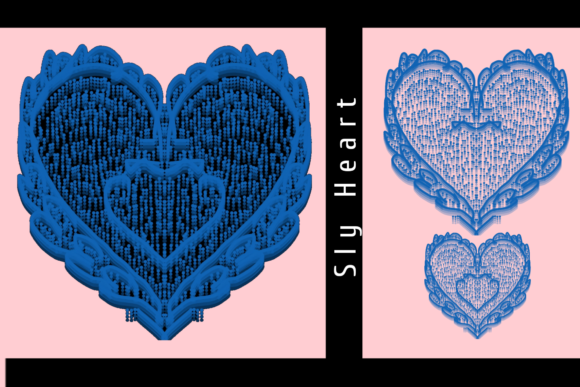
Sly Heart has a distinct vibe that makes it stand out from generic clipart or overused illustrations. Its style is whimsical yet professional, making it ideal for businesses that want to project a sense of playfulness without losing credibility. The heart motif is cleverly stylized—neither too bold nor too delicate. It carries a subtle edge, suggesting creativity, craftsmanship, and a touch of sophistication.
This kind of design language fits well within niche markets like handmade soaps, boutique fashion, seasonal product campaigns, or even artisanal food packaging. For example, if you're designing for a local bakery or a floral shop, Sly Heart can add a unique flair to your product labels and promotional materials while maintaining a cohesive brand identity.
Mood and Personality of Sly Heart
The mood created by Sly Heart is warm and inviting. It doesn’t scream; it whispers with elegance. This makes it perfect for brands that want to evoke a sense of care, authenticity, and attention to detail. Whether used in digital marketing visuals or printed on greeting cards, the asset suggests a handmade, thoughtfully curated business.
It also has a certain adaptability. Depending on how it's styled—whether as an SVG or PNG—the heart can feel rustic, modern, or even slightly vintage. This flexibility allows it to fit into various design ecosystems, especially those centered around crafts and small business branding.
Applying Sly Heart in Real-World Business Projects
In practical terms, Sly Heart can be applied across multiple design channels. Here are some of the most effective ways I’ve seen it work in real local business projects:
- Product Labels: Use it as a background accent or a focal point on handcrafted soap labels, candle tags, or gourmet food packaging. It adds a decorative touch without overpowering text.
- Packaging Accents: Incorporate it subtly into wrapping paper or box designs to reinforce brand recognition without being distracting.
- Hero Graphics: In social media posts or website banners, Sly Heart can serve as a central icon to represent love, care, and craft in your offerings.
- Thank-You Cards and Greeting Cards: Ideal for boutique shops looking to create personalized thank-you cards or festive holiday greetings that align with their brand voice.
- Seasonal Campaigns: During Valentine’s Day, Mother’s Day, or other holidays, this graphic works beautifully in editorial design or promotional posters.
- Hang Tags and Stickers: Small but impactful, it can be used on hang tags for clothing boutiques or as branded stickers for mugs and tote bags.
- Printable Inserts: Include it in printable thank-you notes or packaging inserts to enhance the customer unboxing experience.
Supporting Stronger Brand Presentation
When used effectively, Sly Heart can significantly enhance a local business’s presentation. It helps create a stronger first impression through consistent visual cues. As a design element, it supports better product recognition because it’s memorable and repeatable. It also contributes to clearer visual hierarchy when placed strategically in product mockups or flyers.
For instance, in a coffee shop rebranding project I recently worked on, we used Sly Heart as a subtle watermark in our latte cup sleeves and behind the hero image on our menu board. It added a layer of personality without overwhelming the layout. Customers noticed the consistency and began to associate the heart with the brand’s commitment to quality and warmth.
Where Sly Heart Works Best
Here are some of the best places to implement Sly Heart in your design strategy:
- Product Label Accents: Especially useful for handmade products where a little decoration goes a long way.
- Promotional Banners and Posters: The heart can anchor your message in a visually appealing way, especially for pop-up events or seasonal promotions.
- Boutique Visuals: Great for window displays, store signage, or Canva templates used in-store or online.
- Decorative Brand Elements: Think about using it in email headers, blog post thumbnails, or website footers for a cohesive look.
- Seasonal Packaging: Whether it's Easter, Christmas, or a special sale, Sly Heart can help elevate the festive appeal of your packaging.
- Social Media Campaigns: Pair it with minimalist layouts for a fresh take on Instagram stories, Facebook ads, or Pinterest pins.
Where to Use Sly Heart with Caution
While Sly Heart is incredibly versatile, there are situations where it may not be the best choice. Here are a few scenarios to consider carefully:
- Formal Corporate Branding: If your client requires a more serious, structured brand identity, this graphic might feel out of place.
- Very Small Labels: The intricate details of the heart could get lost in tiny spaces, reducing its effectiveness.
- Crowded Product Packaging: Avoid using it in areas with too much text or imagery, as it may compete for attention rather than complement the design.
- Ingredient-Heavy Layouts: For food businesses or skincare brands listing key ingredients, keep Sly Heart away from primary content zones.
- Legal Information Areas: Never let decorative graphics interfere with compliance-related text such as allergen warnings or disclaimers.
- Low-Contrast Backgrounds: Ensure it stands out clearly against your chosen color palette to avoid legibility issues.
- Luxury Minimalist Brands: While Sly Heart can be simplified, it might not suit ultra-minimalist aesthetics unless carefully adapted.
- Test on Real Packaging Mockups: Before finalizing, see how it looks on actual product boxes, jars, or tags.
- Check Black and White Usage: Evaluate whether the graphic still holds its shape and meaning in grayscale, which is important for print or low-color environments.
- Preview on Small Labels: Zoom in and see if it maintains clarity when scaled down for mugs, tags, or T-shirts.
- Test with Brand Colors: Try overlaying it on different color backgrounds to ensure it complements your palette.
- Compare with Competitor Packaging: Make sure it gives your brand a unique edge without mimicking others in the space.
- Inspect Print Quality: Confirm that both PNG and SVG versions render cleanly in print, especially for high-end packaging jobs.
- Review Transparency: Check if the PNG file includes a transparent background for seamless integration into layered designs.
- Font Compatibility: Test Sly Heart beside serif, sans serif, script, handwritten, and display fonts to find the best typographic match for your brand voice.
- Confirm Commercial Licensing: Always verify the commercial license before using it for client work, product sales, or large-scale printing.
Brand Designer Notes for Practical Implementation
If you’re considering using Sly Heart in your next branding project, here are some tips from the field:
Final Thoughts on Using Sly Heart for Local Business Branding
Graphic design assets like Sly Heart offer a powerful shortcut for small business owners who need strong, recognizable visuals without the overhead of custom illustration. When used thoughtfully, it can help build a more polished brand identity, increase shelf appeal, and create a stronger emotional connection with customers.
But remember—no asset is one-size-fits-all. It needs to be evaluated in context. Does it support your brand message? Does it enhance the usability of your design? Is it scalable and adaptable across formats? These are the questions every brand designer should ask before integrating any design element into a local business’s branding toolkit.
For my latest project with a children’s toy boutique, Sly Heart became a recurring motif in their product mockups and thank-you cards. It helped them establish a playful yet trustworthy brand presence. And for a seasonal campaign at a home decor shop, it added the right amount of festivity without feeling cheesy.
Ultimately, Sly Heart is more than just an illustration—it’s a strategic tool for storytelling and brand differentiation. With the right approach, it can become a signature element of your client’s visual language, helping them stand out in the crowded world of crafts and local commerce.