Mandala Creative Art Background Ornament for Professional Design Projects
As a seasoned graphic designer, I often find myself sifting through design assets to locate the perfect background ornament that elevates a project without overpowering it. Recently, I came across the Mandala Creative Art Background Ornament, and it immediately caught my attention with its intricate yet harmonious visual structure. This design asset brings a sense of balance and spiritual energy to creative work—perfect for clients who want their branding or marketing visuals to feel both modern and meaningful.
A First Impression: Elegance in Repetition
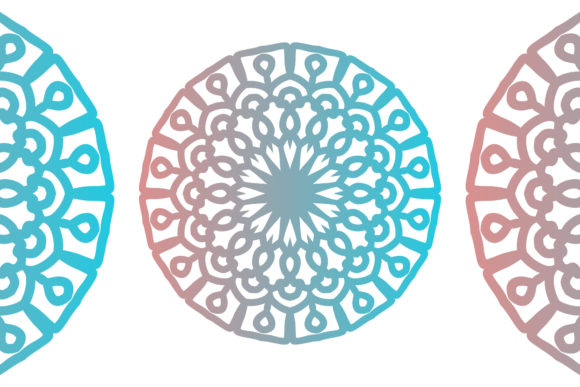
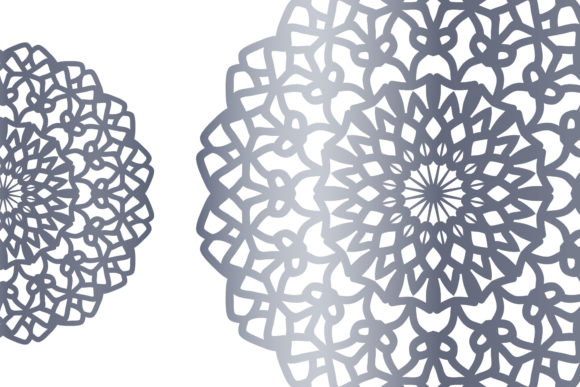
The first thing that stands out about this mandala-style background is its composition. It features layered geometric patterns and flowing organic shapes, creating a meditative rhythm that's visually soothing. The ornament feels handcrafted but is clearly optimized for digital use. While some might think mandalas are only for yoga studios or wellness apps, this particular asset has a more refined aesthetic that can be adapted into a wide range of professional contexts.
Its canvas size of 1920 px X 1280 px gives designers enough space to scale up for large layout areas like posters, website headers, or social media banners. The high resolution ensures clarity even when stretched. What’s particularly impressive is the variety of file formats offered—AI, EPS, SVG, JPG, and PNG—which makes it versatile for everything from print-on-demand products to digital ad campaigns.
Real-World Application in Brand Identity Work
When working on brand identity for a small handmade business or an Etsy shop, adding a subtle mandala background can give the entire look a unique edge. For example, imagine a boutique selling natural skincare products. The Mandala Creative Art Background Ornament could serve as the foundation for product labels or packaging design, reinforcing the brand’s connection to nature, mindfulness, and creativity.
I’ve tested this asset in several scenarios. When used behind a minimalist logo, it added just the right amount of texture to make the mark feel grounded and intentional. In contrast, when placed under dense text blocks, it required careful layering to maintain readability. A soft opacity setting (around 30–40%) worked best for preserving legibility while still enhancing the visual mood.
Performance Across Different Media and Platforms
This background ornament shines in editorial design and web design where a decorative yet non-distracting element is needed. For instance, in a blog post header or a Pinterest pin, the mandala subtly draws the eye inward, making the content feel curated and artistic. It also works well as part of a themed collection, such as seasonal campaign visuals or event invitations, especially around holidays like Earth Day, Yoga Month, or New Year celebrations.
- Product Mockups: Ideal for showcasing stickers, tote bags, or mugs. The ornate details add visual interest without overshadowing the product.
- Hero Graphics: Perfect for landing pages or promotional banners where you want to create a warm, inviting atmosphere.
- Cricut Projects: The SVG format allows for easy integration into cutting machine designs, enabling custom sticker or vinyl decal projects.
- Printable Wall Art: Its high-resolution JPG and PNG files ensure crisp prints, making it suitable for downloadable art on platforms like Etsy or Gumroad.
In terms of color schemes, the mandala design supports both vibrant palettes and muted tones. I tried overlaying it with pastel gradients and found that it enhanced the softness of the overall design. On the other hand, using it with bold, saturated colors gave it a fresh, contemporary twist—ideal for modern design trends in creative marketplaces.
Where to Use with Caution
While this design asset is undeniably beautiful, it’s not universally applicable. One scenario where it falls short is in corporate branding materials. The intricate nature of the mandala may clash with the clean lines and structured layouts typical of professional environments. Similarly, if your client prefers a minimalist aesthetic or needs strong visual hierarchy, this ornament should be used sparingly—or not at all.
It also performs poorly in small sizes. At lower resolutions, the fine details get lost, and the pattern can appear cluttered or pixelated. If you're planning to use it in icons, thumbnails, or tiny social media avatars, consider using a simplified version or avoiding it altogether.
Impact on Readability and Visual Hierarchy
Readability is a key concern when using any background ornament. The Mandala Creative Art Background Ornament, due to its density, can interfere with text legibility if not properly managed. My recommendation is to either place the mandala behind a transparent overlay or use it as a border element rather than a full-background fill.
For brand consistency, I suggest limiting its use to specific elements—like headers, hero sections, or packaging accents—rather than applying it throughout the entire visual system. Overuse can dilute the brand message and make the design feel less cohesive.
Emotional Appeal and Audience Engagement
One of the strongest points of this design is its emotional resonance. Mandalas are known for evoking calmness, focus, and positivity—qualities that align well with lifestyle brands, wellness businesses, or creative entrepreneurs targeting mindful consumers. Used thoughtfully, it can enhance audience engagement by making the design feel more personal and intentional.
That said, it's important to match the tone of the mandala with the target audience. A young demographic on Instagram may respond positively to a colorful mandala-based post, whereas a mature audience in a newsletter might prefer a subtler approach. Testing it in black and white was revealing too; the line work holds up well, allowing for monochrome adaptations in print or grayscale displays.
Designers’ Checklist Before Using Commercially
Before integrating the Mandala Creative Art Background Ornament into a client project, here are a few practical steps I always take:
- Test Contrast: Overlay it with light and dark backgrounds to see how it interacts. You’ll want to avoid low-contrast situations where it becomes invisible or overwhelming.
- Preview at Multiple Sizes: Check how it looks at 50%, 100%, and 200% scale. This helps identify any scaling issues or loss of detail.
- Inspect File Formats: Make sure the AI and EPS files allow for easy editing. The SVG format is ideal for Cricut users or those looking to customize the ornament further.
- Review Transparency in PNG Files: Confirm that the PNGs have clean transparency so they don’t bleed into surrounding elements when layered.
- Confirm Commercial Licensing: Always verify that the design asset includes commercial rights, especially if it will be used in sublimation design, t-shirt design, or other revenue-generating products.
- Compare with Fonts: Try pairing it with serif, sans-serif, script, and display fonts to see what combinations maintain visual harmony and readability.
Why This Asset Deserves a Place in Your Toolkit
Despite its niche appeal, the Mandala Creative Art Background Ornament offers real value in the right context. Whether you’re designing a Canva template for a client or building a set of digital ads for a holistic brand, this asset adds depth and character. It’s especially useful in creative design bundles, where it can serve as a supporting brand element or a decorative accent in themed collections.
Its adaptability across formats means you can confidently use it in both digital and print realms—from Instagram posts to packaging design. And for digital sellers, print-on-demand creators, or those crafting a new product line, having access to this ornament in multiple file types is a huge advantage.
Final Thoughts on Mandala Creative Art Background Ornament
In summary, the Mandala Creative Art Background Ornament is a thoughtful addition to any designer’s library. It doesn't scream for attention but instead contributes a quiet elegance that enhances the overall impression of a project. When used correctly, it supports emotional appeal and visual trust, helping your design feel more polished and professional.
However, its effectiveness depends heavily on the context. It’s not a one-size-fits-all solution. But for the right client—especially those in the handmade, wellness, or creative industries—it can be a game-changer. Just remember to evaluate its impact on readability, hierarchy, and professionalism before finalizing any client deliverables.